Introduction
AI Language Learning Apps in 2026 have completely transformed the way individuals, students, and professionals learn new languages. Powered by neural networks, speech recognition, natural language processing (NLP), and personalized learning algorithms, these apps offer adaptive lessons, real-time pronunciation correction, grammar refinement, and immersive conversation practice using AI tutors. As global communication becomes increasingly essential, AI-driven learning platforms make language acquisition faster, more interactive, and more accessible.
When choosing the best AI language learning tools, users should evaluate features like conversational AI quality, learning paths, accuracy of speech recognition, gamification capabilities, offline usage, personalization, and cost-effectiveness. This guide explores the Top 10 AI Language Learning Apps Tools in 2026, complete with features, pros, cons, pricing, ratings, and a comparison table to help you choose the right solution.
Top 10 AI Language Learning Apps Tools in 2026
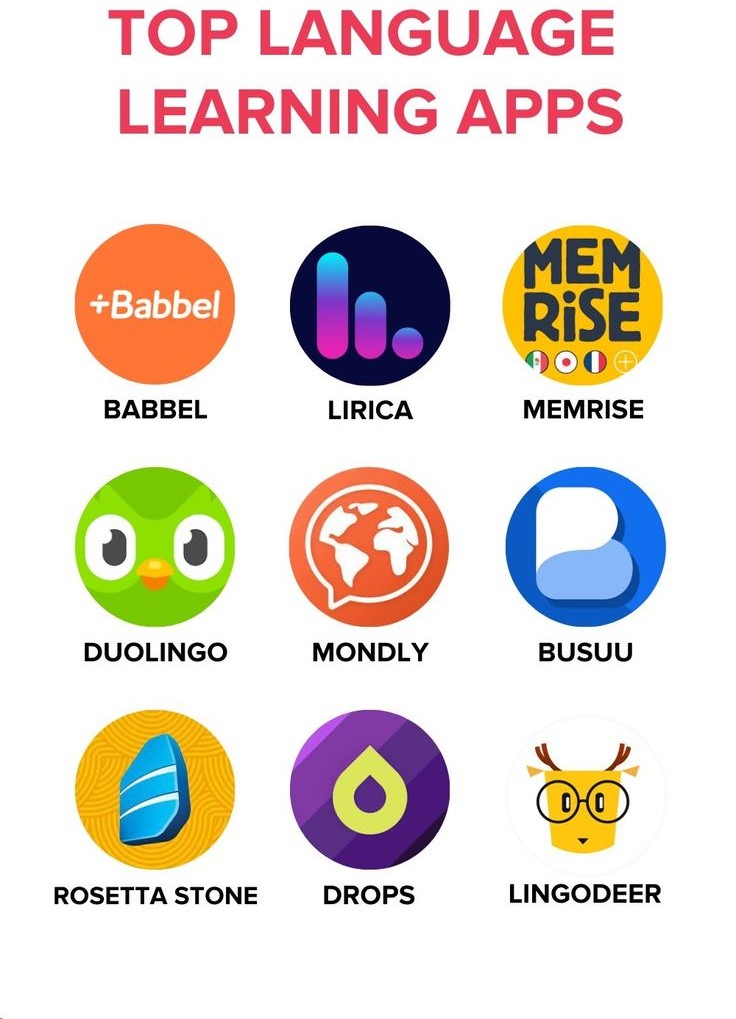
1. Duolingo (with Duolingo Max)
Short Description
Duolingo is the world’s most popular gamified language learning app offering AI-based lessons and interactive exercises. With Duolingo Max, users get advanced AI-powered explanations and real-time feedback.
Key Features
- Gamified lessons and streak system
- AI feedback through “Explain My Answer”
- Personalized learning paths
- Speech recognition and pronunciation practice
- 40+ languages
- Leaderboards and competitive learning
- Stories and conversation-based lessons
Pros
- Extremely user-friendly
- Affordable and accessible
- Strong gamification keeps users motivated
Cons
- Not ideal for advanced learners
- Speech recognition sometimes inaccurate
- Limited real-world speaking practice
2. Rosetta Stone (AI Speech Recognition)
Short Description
A premium language learning app focusing on immersive, real-world practice using TruAccent, an AI-powered speech recognition engine.
Key Features
- TruAccent AI pronunciation engine
- Immersive learning approach
- Structured curriculum
- Live tutoring options
- Downloadable offline lessons
- 25+ languages supported
- Grammar and vocabulary reinforcement
Pros
- Excellent speech recognition accuracy
- Great for beginners
- Strong immersion-based method
Cons
- Expensive for many users
- Lessons may feel repetitive
- Limited conversational flexibility
3. Babbel
Short Description
Babbel offers AI-driven personalized lessons designed by linguists with real-world conversation as the core learning objective.
Key Features
- AI-personalized lesson plans
- Short, contextual lessons
- Speech recognition tool
- Live classes with teachers
- Grammar and vocabulary reviews
- Podcasts and cultural insights
Pros
- Great for practical, everyday conversations
- Professionally developed content
- Well-structured lesson flow
Cons
- Fewer supported languages
- Limited free version
- Not ideal for advanced learners
4. Memrise AI
Short Description
Memrise combines spaced repetition, AI chatbots, and real-world videos to help learners build vocabulary and listen to authentic content.
Key Features
- AI-powered language chatbot
- Real-world video clips
- Spaced repetition system
- Community-created courses
- Speech recognition practice
- 20+ languages supported
Pros
- Excellent for vocabulary building
- Real-life video content enhances immersion
- Fun and flexible learning
Cons
- Less structured compared to Babbel/Duolingo
- Some courses lack depth
- Limited grammar explanations
5. Busuu (AI Personalization)
Short Description
Busuu provides AI-personalized study plans, community-based feedback, and structured language courses across 12 major languages.
Key Features
- AI-based study plan generator
- Native speaker feedback
- Grammar and vocabulary training
- Real-world dialogues
- Offline mode
- Speech recognition tool
Pros
- Strong community interaction
- AI-customized learning
- Professional course design
Cons
- Fewer languages available
- Some features locked behind premium
- Interface can be slower on older devices
6. Mondly (AI Chatbot + AR/VR Learning)
Short Description
Mondly offers visual and immersive learning using an AI chatbot, augmented reality (AR), and virtual reality (VR) for realistic practice.
Key Features
- AI chat-based lessons
- Augmented reality interactions
- VR language lessons
- Speech recognition
- 40+ languages
- Daily practice sessions
Pros
- AR/VR adds immersive value
- Fun and innovative learning
- Good for beginners
Cons
- Content can feel repetitive
- Not as deep for grammar
- Some AR/VR features require premium
7. Lingvist
Short Description
Lingvist uses AI and data-driven algorithms to customize vocabulary learning and improve retention quickly.
Key Features
- AI-personalized vocabulary sets
- Fast-paced, smart flashcards
- Real-world sentence examples
- User content upload capability
- Progress analytics
Pros
- Great for fast vocabulary gains
- Data-driven personalization
- Clean and simple interface
Cons
- Limited languages
- Less focus on grammar and speaking
- Not ideal for complete beginners
8. OpenAI ChatGPT for Language Learning
Short Description
ChatGPT offers natural conversation practice using advanced LLMs, making it ideal for personalized learning, grammar correction, and fluency building.
Key Features
- Human-like conversational practice
- Real-time grammar and vocabulary feedback
- Custom lesson generation
- Pronunciation guidance (voice mode)
- Multiple language support
- Role-playing conversations
Pros
- Highly flexible learning experience
- Ideal for speaking and writing practice
- Personalized, limitless conversations
Cons
- Requires stable internet
- No structured curriculum unless customized
- Premium version needed for best features
9. Drops
Short Description
Drops focuses on visual learning and vocabulary building with AI-personalized learning paths and gamified 5-minute sessions.
Key Features
- AI-powered learning path
- Visual vocabulary exercises
- 5-minute daily training
- 40+ languages
- Gamified experience
Pros
- Perfect for visual learners
- Quick sessions fit busy schedules
- Beautiful UI
Cons
- Only vocabulary-focused
- Not suitable for advanced learners
- Limited grammar coverage
10. HelloTalk (AI Assisted Language Exchange)
Short Description
HelloTalk is a social AI-powered language exchange app allowing users to chat with native speakers, supported by AI translation and grammar correction.
Key Features
- AI translation and correction
- Community chat with native speakers
- Voice and video calls
- Moments (social feed)
- 150+ languages
Pros
- Real conversation with native speakers
- AI makes communication easier
- Great for immersion
Cons
- No structured lessons
- Some users report spam
- Social aspect may not suit everyone
Comparison Table: Top 10 AI Language Learning Apps in 2026
| Tool Name | Best For | Platforms Supported | Standout Feature | Pricing | Ratings |
|---|---|---|---|---|---|
| Duolingo | Beginners, casual learners | iOS, Android, Web | Gamified AI lessons | Free / Plus $12 | 4.7/5 |
| Rosetta Stone | Pronunciation-focused learners | iOS, Android, Web | TruAccent AI engine | $14.99/mo | 4.6/5 |
| Babbel | Practical learners | iOS, Android, Web | Linguist-designed courses | $12.95/mo | 4.5/5 |
| Memrise | Vocabulary learners | iOS, Android, Web | Real-world videos | Free / $9.99 | 4.6/5 |
| Busuu | Structured learning | iOS, Android, Web | Community feedback | $13.99/mo | 4.5/5 |
| Mondly | Immersive learning fans | iOS, Android, Web | AR/VR lessons | $9.99/mo | 4.4/5 |
| Lingvist | Fast vocabulary mastery | iOS, Android, Web | Data-driven flashcards | $9.99/mo | 4.4/5 |
| ChatGPT | Conversation practice | iOS, Android, Web | Real-time AI conversation | $20/mo | 4.8/5 |
| Drops | Visual learners | iOS, Android | Visual vocab learning | Free / $9.99 | 4.6/5 |
| HelloTalk | Social learners | iOS, Android | Language exchange + AI | Free / Premium | 4.3/5 |
Which AI Language Learning App Is Right for You?
Choosing the right AI language learning app depends on your learning style, goals, and budget.
Choose Duolingo if:
- You want gamified, stress-free learning
- You’re a beginner in a new language
Choose Babbel if:
- You want practical, everyday speaking skills
Choose Rosetta Stone if:
- Pronunciation accuracy is your main goal
Choose Memrise if:
- You want vocabulary based on real-life videos
Choose Busuu if:
- You value feedback from native speakers
Choose Mondly if:
- You want immersive AR/VR learning
Choose Lingvist if:
- You want fast vocabulary growth
Choose ChatGPT if:
- You need unlimited conversational practice
- You want personalized lessons
Choose Drops if:
- You’re a visual learner
Choose HelloTalk if:
- You want real conversations with native speakers
Conclusion
AI Language Learning Apps in 2026 are smarter, faster, and more personalized than ever. Whether you’re a beginner or an advanced learner, these apps offer innovative tools like conversational AI, real-world videos, gamification, and AR/VR experiences. With the right platform, language learning becomes enjoyable, immersive, and highly effective. Explore free trials to find the app that best fits your style.
FAQs
1. What are AI language learning apps?
AI-driven apps that help users learn languages using speech recognition, conversational AI, and personalized algorithms.
2. Which AI language app is best for beginners?
Duolingo and Babbel are great for structured beginner learning.
3. Which tool is best for pronunciation?
Rosetta Stone’s TruAccent engine is the most accurate.
4. Which app is best for conversation practice?
ChatGPT and HelloTalk are ideal for real-time speaking practice.
5. Which app is free?
Duolingo and Memrise offer strong free versions.

- Top 10 AI Model Serving Frameworks Tools in 2026: Features, Pros, Cons & Comparison - August 30, 2026
- Top 10 Construction Management Software Tools in 2026: Features, Pros, Cons & Comparison - August 11, 2026
- Top 10 AI Academic Writing Tools in 2026: Features, Pros, Cons & Comparison - August 11, 2026
This article offers a timely and practical comparison of the top AI-powered language-learning apps and tools of 2025, clearly articulating each platform’s key capabilities, strengths and weaknesses. It’s especially useful for learners and educators alike looking to evaluate tools that use features like adaptive quizzes, speech recognition and personalised progress tracking. Including a quick “which tool fits which learner profile” snapshot (e.g., beginners vs advanced, casual vs intensive) would make it even more actionable—but overall, it’s a well-structured and helpful resource for anyone exploring modern AI-driven language-learning solutions.