Introduction
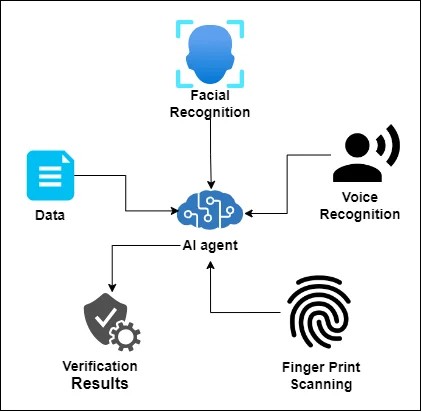
AI Identity Verification Tools have become essential in 2026 as online fraud, identity theft, and digital onboarding challenges continue to rise. These tools use artificial intelligence, biometrics, document scanning, facial recognition, and behavioral analytics to verify a user’s identity in real time. From fintech and banking to eCommerce, healthcare, and government services, organizations rely on AI-driven verification platforms to enhance security, reduce fraud, and streamline customer onboarding.
A good AI identity verification tool should offer high accuracy, fast verification, compliance support (KYC, AML, GDPR), multi-factor authentication, and seamless integrations. As deepfake threats and synthetic identities grow, businesses need tools with advanced liveness detection, fraud pattern detection, and continuous verification.
Below is a complete guide to the top 10 AI Identity Verification Tools in 2026 with features, pros, cons, comparison, and recommendations.
Top 10 AI Identity Verification Tools in 2026
1. Jumio
Short Description
Jumio is a leading AI-powered identity verification platform used by global enterprises. Ideal for financial institutions, crypto platforms, and major enterprises needing high accuracy verification.
Key Features
- AI-driven ID document verification
- Biometrics-based facial recognition
- Liveness detection
- Global ID coverage
- KYC/AML compliance
- Fraud analytics dashboard
- Real-time verification
Pros
- Highly accurate biometric verification
- Strong global compliance coverage
- Fast verification times
Cons
- Premium pricing
- Complex setup for small businesses
- Requires good-quality user images
2. Onfido
Short Description
Onfido offers AI-powered identity verification using facial biometrics and document scanning. Popular among startups, fintechs, and digital onboarding platforms.
Key Features
- AI-driven ID scanning
- Facial biometric verification
- Deepfake detection
- Watchlist checks
- SDKs for mobile/web
- Low-code integration
Pros
- Very easy to integrate
- Excellent biometrics accuracy
- Good pricing tiers for startups
Cons
- Limited customization in basic plans
- Document verification may fail in low-light conditions
- Enterprise features are costly
3. ID.me
Short Description
ID.me is widely used by government organizations, healthcare providers, and eCommerce platforms to verify users with multi-factor authentication.
Key Features
- Government-level verification
- Healthcare & military identity verification
- Biometric authentication
- Document verification
- Multi-factor login
- Fraud protection
Pros
- Highly trusted in government sectors
- Strong user verification database
- Free verification for end users
Cons
- Slower verification during peak hours
- Privacy concerns reported by some users
- Limited global support
4. Trulioo
Short Description
Trulioo is a global identity verification platform offering instant ID checks, KYB/KYC verification, and compliance management.
Key Features
- Global identity verification
- AML/KYC compliance tools
- Business verification (KYB)
- Biometric matching
- API-first architecture
- Watchlist screening
Pros
- Excellent global coverage
- Ideal for enterprises and fintechs
- KYB verification is a major plus
Cons
- Expensive for startups
- Complex integration for beginners
- Interface could be more user-friendly
5. Socure
Short Description
Socure offers AI identity proofing with high fraud detection accuracy, used heavily in banking, fintech, and crypto onboarding.
Key Features
- Predictive identity verification
- Fraud risk scoring
- Facial biometrics
- Document verification
- Synthetic identity detection
- Machine learning fraud predictions
Pros
- Extremely accurate fraud prediction models
- Excellent for high-risk industries
- Strong support for synthetic ID detection
Cons
- High pricing structure
- Requires ML/data team for best results
- Limited support for small businesses
6. Auth0 (Okta Identity Verification)
Short Description
Auth0 provides AI-powered identity verification and authentication solutions integrated with its identity platform.
Key Features
- Identity verification flows
- Biometric authentication
- User behavior analytics
- Passwordless login
- Multi-factor authentication
- API-first architecture
Pros
- Very flexible for developers
- Strong ecosystem and documentation
- Seamless integration with applications
Cons
- Pricing increases at scale
- Setup complexity for non-technical users
- Some features require separate Okta licensing
7. Veriff
Short Description
Veriff offers AI-powered identity verification with fast response times and a focus on fraud prevention.
Key Features
- AI-based document checking
- Face matching
- Device fingerprinting
- Liveness detection
- Global ID support
- GDPR-compliant infrastructure
Pros
- Extremely fast verification times
- Supports 45+ languages
- Great user experience
Cons
- Limited analytics features
- Not ideal for deep enterprise compliance
- Occasional false declines in high-risk regions
8. SEON
Short Description
SEON focuses on fraud detection and digital footprint analysis, helping businesses verify identities using behavioral and online identity signals.
Key Features
- Digital footprint analysis
- Email & phone lookup
- IP risk scoring
- Device intelligence
- AML & KYC integrations
- AI-powered fraud scoring
Pros
- Great for detecting fraudulent users early
- Lightweight and fast API
- Strong analytics capability
Cons
- Not a full identity verification suite
- Requires pairing with ID verification tool
- Learning curve for behavioral analytics
9. Signicat
Short Description
Signicat is a digital identity and trust provider used extensively in Europe for secure identity verification and e-signing.
Key Features
- eID & eKYC support
- Digital onboarding
- Fraud detection suite
- Document scanning
- eSigning & authentication
- PSD2 and GDPR compliance
Pros
- Highly trusted in Europe
- Strong compliance and security
- Supports many national eIDs
Cons
- Primarily Europe-focused
- Pricing unclear for small teams
- Limited North American coverage
10. Shufti Pro
Short Description
Shufti Pro offers global KYC, KYB, and AML identity verification with strong AI document verification capabilities.
Key Features
- AI + human hybrid verification
- Global address & biometric checks
- AML screening
- KYB compliance
- Facial recognition
- Real-time verification
Pros
- Excellent global coverage
- Hybrid AI-human verification ensures accuracy
- Affordable pricing tiers
Cons
- Slightly longer verification times
- Interface could be improved
- Occasional inconsistencies in regional checks
Comparison Table: Top 10 AI Identity Verification Tools in 2026
| Tool | Best For | Platforms Supported | Standout Feature | Pricing | Rating |
|---|---|---|---|---|---|
| Jumio | Enterprises, fintech | Web, Mobile | Accurate biometrics | Custom | 4.6/5 |
| Onfido | Startups, fintech | Web, Mobile | Deepfake detection | Starts $1/verification | 4.5/5 |
| ID.me | Government, healthcare | Web, Mobile | Gov-level verification | Free for users | 4.3/5 |
| Trulioo | Global enterprises | API, Cloud | Global KYC/KYB | Custom | 4.4/5 |
| Socure | High-risk industries | API | Predictive fraud scoring | Custom | 4.6/5 |
| Auth0 | Developers | API, Cloud | Behavior analytics | Starts $23/month | 4.4/5 |
| Veriff | Fast onboarding | Web, Mobile | Rapid verification | Custom | 4.5/5 |
| SEON | Fraud detection | API | Digital footprint scoring | Starts $99/month | 4.6/5 |
| Signicat | European companies | Cloud, API | eID support | Custom | 4.3/5 |
| Shufti Pro | Global businesses | Web, Mobile | Hybrid AI verification | Starts $0.20/check | 4.5/5 |
Which AI Identity Verification Tool Is Right For You?
Choose Jumio if:
- You need enterprise-grade AI verification
- Accuracy and compliance are top priorities
Choose Onfido if:
- You’re a startup or fintech needing fast integration
Choose ID.me if:
- You work with government or healthcare onboarding
Choose Trulioo if:
- You need global identity + business verification
Choose Socure if:
- Fraud detection and risk scoring are crucial
Choose Auth0 if:
- You’re a developer or SaaS company
Choose Veriff if:
- You want fast verification with great UI
Choose SEON if:
- Fraud prevention is more important than document scans
Choose Signicat if:
- You operate in Europe and need compliance-friendly tools
Choose Shufti Pro if:
- You want budget-friendly but globally scalable verification
Conclusion
AI Identity Verification Tools have become essential for secure digital onboarding in 2026. With increasing fraud, deepfakes, and synthetic identities, businesses need strong AI-driven tools that ensure accuracy, compliance, and user trust. The tools listed above offer powerful capabilities—from biometrics to fraud scoring to global identity verification. Before choosing, businesses should test free trials, compare features, and determine which platform aligns best with their scale, industry, and compliance needs.
FAQs
1. What are AI Identity Verification Tools?
These tools use AI, biometrics, and document scanning to verify a user’s identity online.
2. Which is the best AI identity verification tool in 2026?
Jumio, Onfido, and Socure lead the market in accuracy and compliance.
3. Which tool is best for startups?
Onfido and Veriff are ideal for startups.
4. Which tool has the best fraud detection?
Socure and SEON excel in fraud scoring and prediction.
5. Which is the most affordable option?
Shufti Pro offers the best value with global checks.

- Top 10 AI Model Serving Frameworks Tools in 2026: Features, Pros, Cons & Comparison - August 30, 2026
- Top 10 Construction Management Software Tools in 2026: Features, Pros, Cons & Comparison - August 11, 2026
- Top 10 AI Academic Writing Tools in 2026: Features, Pros, Cons & Comparison - August 11, 2026
This blog gives a clear and practical overview of the top AI identity-verification tools in 2025, highlighting key features like biometrics, document checks and liveness detection along with each platform’s pros and cons. It’s a useful guide for teams comparing solutions to improve onboarding security and meet compliance needs. Including brief benchmarks or examples of real-world performance could make it even stronger, but overall it’s a helpful snapshot of the leading tools shaping digital identity verification today.