Introduction
AI Logistics Management Tools are transforming global supply chains in 2026 by automating complex operations, optimizing transportation costs, predicting demand, and improving overall delivery efficiency. As businesses expand across borders and customer expectations shift toward faster deliveries and real-time tracking, AI-driven logistics systems have become essential. These platforms use machine learning, predictive analytics, IoT data, route optimization algorithms, and robotic automation to streamline end‑to‑end logistics processes.
Organizations evaluating AI logistics tools today must consider scalability, integration capabilities, automation features, route optimization accuracy, cost structure, warehouse management compatibility, and real-time monitoring. This guide highlights the Top 10 AI Logistics Management Tools in 2026 with features, pros, cons, comparison tables, and expert recommendations to help businesses choose the right solution.
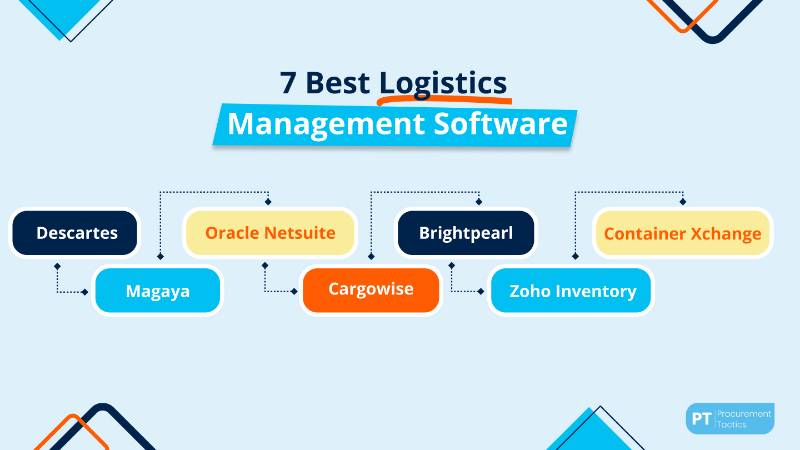
Top 10 AI Logistics Management Tools in 2026
1. Oracle Logistics Cloud
Short Description
A unified AI-powered logistics suite offering transportation, warehouse, and order management. Ideal for large enterprises needing deep automation.
Key Features
- AI-driven transportation optimization
- Predictive ETA and risk analysis
- End-to-end supply chain visibility
- Warehouse automation tools
- Freight cost prediction
- Digital assistant for logistics
- Integration with Oracle Cloud
Pros
- Enterprise-grade automation
- Excellent analytics and forecasting
- Highly scalable
Cons
- Expensive for SMEs
- Complex to implement
- Requires trained staff
2. SAP Logistics Business Network (LBN)
Short Description
A collaborative logistics platform using AI to improve freight visibility, carrier collaboration, and real-time logistics operations.
Key Features
- Carrier collaboration platform
- Predictive analytics for delivery timelines
- Real-time freight tracking
- AI-driven supply chain insights
- Integration with SAP S/4HANA
- Automated invoice matching
Pros
- Strong global ecosystem
- Smooth SAP integration
- Excellent collaboration tools
Cons
- High setup cost
- Best suited for SAP users only
- Requires technical expertise
3. Blue Yonder Luminate Logistics
Short Description
An AI-driven platform for predictive and autonomous supply chain operations. Ideal for retailers, manufacturers, and logistics firms.
Key Features
- ML‑based forecasting and demand sensing
- Route optimization
- Autonomous execution engine
- Warehouse labor planning
- End‑to‑end supply chain orchestration
- Predictive alerts
Pros
- Very accurate AI forecasting
- Great for retail & FMCG
- Powerful automation
Cons
- Premium pricing
- Complex for beginners
- Requires data maturity
4. Manhattan Associates Active Logistics
Short Description
Industry-leading logistics suite offering AI-powered transportation management and warehouse automation.
Key Features
- AI‑driven shipment planning
- Labor and warehouse optimization
- Transportation management system (TMS)
- Real-time visibility portal
- Predictive demand & capacity analytics
- Multi-modal routing
Pros
- Best-in-class warehouse capabilities
- Highly reliable and scalable
- Strong retail support
Cons
- Implementation takes time
- Expensive for smaller firms
- Requires strong IT support
5. Project44
Short Description
A real-time visibility and predictive logistics platform used by global shippers and carriers.
Key Features
- Predictive ETA engine
- Shipment tracking across all modes
- Exception management alerts
- IoT sensor integration
- Carrier performance analytics
- Real-time dashboards
Pros
- Best real-time tracking accuracy
- Easy to integrate
- Excellent multi-modal visibility
Cons
- Limited warehouse features
- Some features require add-ons
- Pricing varies by region
6. FourKites
Short Description
A predictive AI logistics platform offering visibility, real-time analytics, and automated freight workflows.
Key Features
- Predictive shipment insights
- Yard & dock management AI tools
- Supply chain mapping
- Real-time temperature monitoring
- Carrier onboarding portal
- Route optimization tools
Pros
- Strong global visibility
- Great tracking accuracy
- Excellent for big brands
Cons
- Setup complexity
- High cost for small companies
- Requires high-quality data
7. Locus DispatchIQ
Short Description
A popular AI route optimization and dispatch automation tool used by logistics companies, retailers, and last-mile services.
Key Features
- Route planning & optimization
- Real-time driver routing
- Capacity planning AI
- Fleet performance analytics
- Delivery automation workflows
- Geocoding intelligence
Pros
- Great for last-mile delivery
- Very efficient routing algorithms
- Easy-to-use interface
Cons
- Lacks warehouse management features
- Not ideal for heavy industries
- Cloud-only solution
8. Shipwell
Short Description
A cloud-based AI logistics platform that combines TMS, visibility, and freight automation in one system.
Key Features
- AI-powered freight routing
- Shipment lifecycle automation
- Marketplace for carrier selection
- Real-time visibility
- Predictive risk analysis
- API-driven integrations
Pros
- All-in-one logistics tool
- User-friendly platform
- Great for mid-sized businesses
Cons
- Limited enterprise features
- Not ideal for highly complex supply chains
- Add-ons can increase costs
9. Flexport Platform
Short Description
A global freight forwarding and AI logistics platform offering end‑to‑end shipment management.
Key Features
- Predictive shipment planning
- Global freight analytics
- Automated customs documentation
- Real-time tracking
- Exception management dashboard
- Collaboration tools
Pros
- Great international logistics support
- Strong analytics
- Modern UI
Cons
- Limited domestic routing tools
- Works best with Flexport-controlled shipments
- Learning curve for new users
10. Kuebix by Trimble
Short Description
A TMS platform enhanced with AI routing, freight analytics, and carrier network integrations.
Key Features
- AI-powered route optimization
- Real-time freight visibility
- Carrier marketplace
- Shipment planning tools
- Analytics dashboards
- Modular TMS design
Pros
- Free version available
- Easy to adopt
- Great carrier marketplace
Cons
- Not ideal for complex enterprises
- Limited automation vs. premium tools
- UI could be more modern
Comparison Table: Top 10 AI Logistics Management Tools in 2026
| Tool Name | Best For | Platforms Supported | Standout Feature | Pricing | Rating |
|---|---|---|---|---|---|
| Oracle Logistics Cloud | Large enterprises | Cloud | Predictive logistics AI | Custom | 4.7/5 |
| SAP LBN | SAP-driven companies | Cloud | Carrier collaboration | Custom | 4.6/5 |
| Blue Yonder | Retail & FMCG | Cloud | Autonomous supply chain | Custom | 4.7/5 |
| Manhattan Associates | Enterprise logistics | Cloud/Hybrid | Warehouse AI | Custom | 4.6/5 |
| Project44 | Global tracking | Cloud | Predictive ETA | Custom | 4.6/5 |
| FourKites | Real-time visibility | Cloud | Predictive analytics | Custom | 4.5/5 |
| Locus DispatchIQ | Last-mile delivery | Cloud | AI route optimization | Starts at mid-range | 4.4/5 |
| Shipwell | SMEs | Cloud | AI freight automation | Starts at $399/mo | 4.3/5 |
| Flexport | Global shipping | Cloud | Freight forwarding AI | Custom | 4.5/5 |
| Kuebix | Small businesses | Cloud | Carrier marketplace | Free + Paid | 4.3/5 |
Which AI Logistics Management Tool Is Right for You?
Choosing the right platform depends on your business size, industry, shipping volume, and logistics complexity.
Choose Oracle Logistics Cloud if:
- You are a large enterprise
- Need advanced automation and global analytics
Choose Blue Yonder if:
- You want predictive forecasting + smart supply chain automation
Choose Project44 or FourKites if:
- You need real-time multi-modal visibility
- You manage global shipments
Choose Locus DispatchIQ if:
- You run last-mile delivery or fleet operations
Choose Shipwell or Kuebix if:
- You want a budget-friendly system
- You are a growing business
Choose Flexport if:
- You ship internationally and need unified freight management
Conclusion
AI Logistics Management Tools are reshaping global supply chains in 2026 by enabling predictive operations, automated routing, real-time visibility, and cost optimization. As companies face increasing pressure for faster deliveries and transparency, AI tools help them stay competitive, resilient, and efficient. Explore free trials, demos, and platform documentation to find the best AI logistics solution tailored to your needs.
FAQs
1. What are AI Logistics Management Tools?
They are software platforms that use AI and machine learning to automate, optimize, and monitor logistics operations.
2. Which tool is best for real-time shipment tracking?
Project44 and FourKites lead in predictive tracking and global visibility.
3. Which is best for last-mile delivery?
Locus DispatchIQ.
4. Which is most budget-friendly?
Kuebix offers a free tier.
5. Which is best for enterprise supply chains?
Oracle Logistics Cloud, SAP LBN, and Manhattan Associates.

- Top 10 AI Model Serving Frameworks Tools in 2026: Features, Pros, Cons & Comparison - August 30, 2026
- Top 10 Construction Management Software Tools in 2026: Features, Pros, Cons & Comparison - August 11, 2026
- Top 10 AI Academic Writing Tools in 2026: Features, Pros, Cons & Comparison - August 11, 2026
This is an exceptionally well-structured and insightful guide. The logistics sector is being revolutionized by AI’s ability to move from reactive problem-solving to predictive and prescriptive optimization, and this list captures the key players driving that change. The clear comparison of features, especially around dynamic route optimization, predictive ETAs, and automated warehouse management, is exactly what professionals need to make informed decisions. I particularly appreciate that you highlighted the importance of real-time visibility and integration capabilities with existing TMS and ERP systems—this is often the linchpin for a successful implementation and achieving a tangible ROI. This will be an invaluable resource for our team’s upcoming strategic review. Thank you for compiling such a practical and forward-looking analysis.