Introduction
In 2026, bulk email tools are more essential than ever for businesses, startups, and marketers. Whether you’re sending newsletters, promotional campaigns, or transactional emails, these tools help you reach thousands of recipients at once while ensuring compliance, deliverability, and personalization. Unlike traditional email services, bulk email tools offer automation, analytics, A/B testing, and advanced segmentation features that allow businesses to run smarter campaigns.
With stricter spam regulations, rising email security concerns, and growing customer expectations, the right bulk email software can be the difference between emails landing in inboxes or spam folders. When choosing a tool, look for features such as scalability, deliverability rates, compliance with GDPR/CCPA, integration with CRMs, and ease of automation.
In this blog, we’ll explore the top 10 bulk email tools in 2026, compare their features, pricing, pros and cons, and help you decide which one fits your needs best.
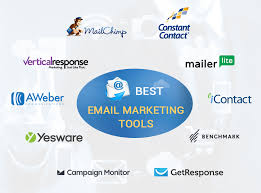
Top 10 Bulk Email Tools in 2026
1. Mailchimp
Description: Mailchimp is one of the most popular bulk email marketing platforms, offering beginner-friendly tools, templates, and automation features. It’s best for small businesses and startups looking for an easy entry into email marketing.
Key Features:
- Drag-and-drop email builder
- Pre-built automation workflows
- Audience segmentation and personalization
- Analytics & reporting dashboard
- Integration with 300+ apps (Shopify, WordPress, HubSpot, etc.)
- A/B testing
Pros:
- Easy to use, great for beginners
- Wide range of integrations
- Free plan available
Cons:
- Pricing increases quickly with scaling lists
- Limited advanced automation compared to competitors
2. Sendinblue (Brevo)
Description: Rebranded as Brevo, Sendinblue is a powerful bulk email and SMS marketing platform designed for SMBs. Known for affordable pricing and strong automation.
Key Features:
- Bulk email + SMS campaigns
- Transactional email support
- CRM integration
- Real-time analytics
- Marketing automation workflows
- High deliverability rates
Pros:
- Affordable pricing model
- Offers SMS + email in one platform
- Excellent transactional email support
Cons:
- Free plan has daily sending limits
- Interface can feel complex for beginners
3. Constant Contact
Description: Constant Contact is a reliable bulk email tool tailored for small-to-medium businesses and nonprofits. It excels in event-driven campaigns and simple automation.
Key Features:
- Drag-and-drop email editor
- Social media integrations
- Real-time tracking and analytics
- Event marketing tools
- Pre-built templates
- List management and segmentation
Pros:
- Excellent support and onboarding
- Strong event management features
- Easy list management
Cons:
- Fewer advanced automation features
- Higher pricing than some alternatives
4. MailerLite
Description: MailerLite is known for its simplicity, affordable pricing, and clean UI. It’s best for freelancers, solopreneurs, and small businesses.
Key Features:
- Drag-and-drop editor with rich media
- Automation workflows
- Advanced segmentation
- A/B testing
- Landing page & website builder
- GDPR compliance tools
Pros:
- Very affordable and beginner-friendly
- Clean, intuitive interface
- Great automation at lower price points
Cons:
- Limited advanced features for enterprises
- Fewer third-party integrations
5. HubSpot Email Marketing
Description: HubSpot offers bulk email tools as part of its all-in-one CRM and marketing suite. Perfect for businesses wanting integrated sales + marketing automation.
Key Features:
- CRM + email integration
- Smart personalization
- Analytics dashboards
- Automated workflows
- A/B testing
- Drag-and-drop templates
Pros:
- All-in-one CRM + marketing automation
- Advanced personalization
- Scales with business needs
Cons:
- Expensive for growing teams
- Overkill for simple email campaigns
6. SendGrid (Twilio SendGrid)

Description: SendGrid is a developer-focused bulk email delivery platform with robust APIs for transactional and marketing emails.
Key Features:
- Bulk + transactional email API
- High deliverability rates
- Real-time analytics
- Email validation API
- Advanced automation & triggers
- A/B testing
Pros:
- Scalable and reliable infrastructure
- Excellent for developers
- High deliverability
Cons:
- Steeper learning curve for non-tech users
- Limited template design compared to competitors
7. Moosend
Description: Moosend offers affordable bulk email marketing with strong automation features and AI-powered recommendations.
Key Features:
- AI-powered product recommendations
- Marketing automation workflows
- Real-time analytics
- Advanced segmentation
- Pre-designed templates
- API access
Pros:
- Budget-friendly
- Powerful automation at low cost
- Easy-to-use platform
Cons:
- Smaller ecosystem compared to giants
- Limited third-party integrations
8. ActiveCampaign
Description: ActiveCampaign is a leader in customer experience automation, combining email, SMS, and CRM for advanced marketers.
Key Features:
- Advanced automation builder
- Multi-channel marketing (SMS + email)
- CRM integration
- Predictive content & sending
- A/B testing
- Lead scoring
Pros:
- Very powerful automation
- Excellent CRM + email integration
- Great for scaling businesses
Cons:
- Steeper learning curve
- Expensive for smaller businesses
9. AWeber
Description: AWeber is one of the oldest email marketing platforms, popular for its simplicity and strong support.
Key Features:
- Drag-and-drop builder
- Pre-built templates
- Automation workflows
- A/B testing
- Analytics & reporting
- Mobile-friendly campaigns
Pros:
- Reliable and stable platform
- Excellent customer support
- Easy for beginners
Cons:
- Outdated interface compared to newer tools
- Limited advanced features
10. Benchmark Email
Description: Benchmark Email is a user-friendly bulk email tool offering multilingual support and global reach.
Key Features:
- Drag-and-drop builder
- Multilingual email support
- Automation workflows
- A/B testing
- Responsive templates
- Surveys & polls
Pros:
- Great for international campaigns
- Simple and clean interface
- Multilingual support
Cons:
- Limited advanced integrations
- Smaller user community
Comparison Table: Top 10 Bulk Email Tools in 2026
| Tool Name | Best For | Platforms | Standout Feature | Pricing | Avg. Rating |
|---|---|---|---|---|---|
| Mailchimp | Beginners & SMBs | Web, iOS, Android | Easy-to-use editor | Free / Starts $13/mo | 4.5 (G2) |
| Sendinblue (Brevo) | SMBs needing SMS + Email | Web, iOS, Android | Affordable SMS + email | Free / Starts $25/mo | 4.6 (Capterra) |
| Constant Contact | SMBs & Nonprofits | Web | Event marketing features | Starts $12/mo | 4.4 (Trustpilot) |
| MailerLite | Freelancers & Startups | Web, iOS, Android | Affordable automation | Free / Starts $10/mo | 4.6 (G2) |
| HubSpot Email | Growing businesses & enterprises | Web, iOS, Android | CRM + email integration | Free / Starts $45/mo | 4.5 (Capterra) |
| SendGrid | Developers & Enterprises | Web, API | Transactional email API | Free / Starts $19.95/mo | 4.4 (G2) |
| Moosend | Budget-conscious marketers | Web | AI-powered automation | Free / Starts $9/mo | 4.5 (G2) |
| ActiveCampaign | Scaling businesses | Web, iOS, Android | Advanced automation | Starts $29/mo | 4.6 (Capterra) |
| AWeber | Beginners & Freelancers | Web, iOS, Android | Reliable & simple | Free / Starts $14.99/mo | 4.3 (G2) |
| Benchmark Email | International campaigns | Web | Multilingual support | Free / Starts $15/mo | 4.4 (G2) |
Which Bulk Email Tool is Right for You?
- Small businesses & startups: Mailchimp, MailerLite, or Moosend for affordability and simplicity.
- Enterprises & scaling businesses: HubSpot, ActiveCampaign, or SendGrid for advanced automation and scalability.
- Nonprofits & event-based marketing: Constant Contact for event features.
- Developers needing APIs: SendGrid for robust transactional email handling.
- Global or multilingual campaigns: Benchmark Email for worldwide reach.
Conclusion
In 2026, bulk email tools are no longer just about sending emails—they are powerful platforms combining automation, CRM integration, personalization, and analytics. The right tool depends on your business size, goals, and budget. From beginners (Mailchimp, MailerLite) to enterprises (HubSpot, ActiveCampaign), there’s a solution for every need.
The best way to choose? Take advantage of free trials and demos to test usability, deliverability, and automation before committing.
FAQs
1. What are bulk email tools?
Bulk email tools are platforms that allow businesses to send large-scale email campaigns with features like automation, segmentation, and analytics.
2. Are bulk email tools legal?
Yes, as long as they comply with regulations like GDPR, CAN-SPAM, and CCPA, and you send emails to opt-in subscribers.
3. Which is the best free bulk email tool in 2026?
Mailchimp, MailerLite, and Sendinblue (Brevo) offer free plans with limited features.
4. Can bulk email tools improve deliverability?
Yes, top tools like SendGrid and Brevo optimize deliverability with proper authentication (SPF, DKIM, DMARC).
5. Do I need coding skills to use bulk email tools?
No, most modern platforms (Mailchimp, Constant Contact, MailerLite) provide drag-and-drop editors. Developers may prefer SendGrid for API-based campaigns.

- Top 10 AI Model Serving Frameworks Tools in 2026: Features, Pros, Cons & Comparison - August 30, 2026
- Top 10 Construction Management Software Tools in 2026: Features, Pros, Cons & Comparison - August 11, 2026
- Top 10 AI Academic Writing Tools in 2026: Features, Pros, Cons & Comparison - August 11, 2026