Introduction
In 2026, the eCommerce industry continues to evolve rapidly, driven by advancements in AI, automation, and omnichannel experiences. eCommerce platforms are at the core of this evolution, enabling businesses to create, manage, and scale online stores efficiently. These platforms provide everything from product listings and payment gateways to analytics, marketing automation, and customer engagement tools.
Choosing the right eCommerce Platform depends on your business size, technical expertise, scalability requirements, and budget. Some tools focus on simplicity for beginners, while others offer advanced customization for large enterprises. Below, we’ve compiled the Top 10 eCommerce Platforms in 2026, highlighting their key features, pros, cons, and comparison to help you make the right decision.
Top 10 eCommerce Platforms in 2026
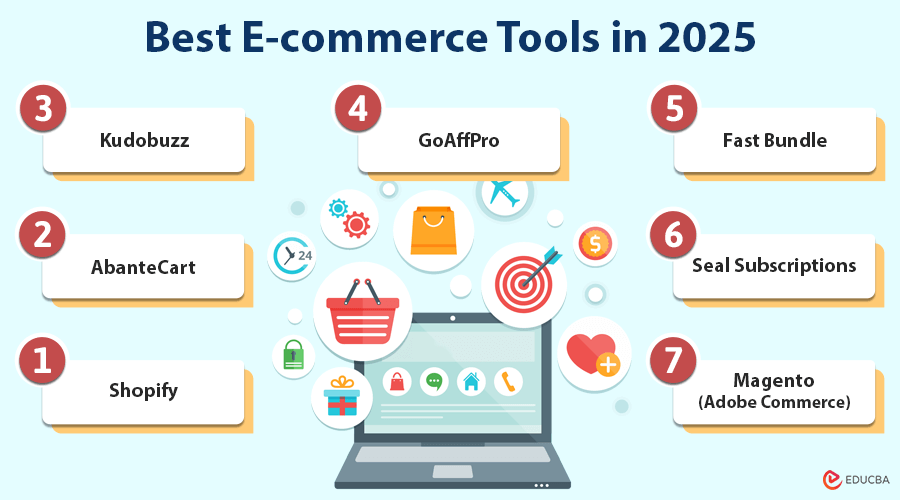
1. Shopify
Short Description: Shopify is one of the most popular eCommerce platforms, known for its simplicity, scalability, and app ecosystem. It’s ideal for startups, SMBs, and growing D2C brands.
Key Features:
- Drag-and-drop store builder
- 8,000+ apps and integrations
- Multi-channel selling (Amazon, Instagram, TikTok)
- AI-driven personalization and recommendations
- 24/7 support and mobile-friendly themes
- Shopify Payments and Shopify Plus for enterprises
Pros:
- Easy setup for beginners
- Huge plugin ecosystem
- Strong customer support
Cons:
- Transaction fees for third-party gateways
- Limited backend customization
2. WooCommerce
Short Description: WooCommerce is a free, open-source eCommerce plugin for WordPress, offering flexibility and control for businesses with web management experience.
Key Features:
- Open-source and highly customizable
- Thousands of WordPress themes
- SEO-friendly architecture
- Large plugin ecosystem
- Integration with payment gateways and CRMs
- Strong community support
Pros:
- Free to start and flexible
- Excellent for content-heavy stores
- Full control over data and design
Cons:
- Requires hosting and maintenance
- Limited support for non-technical users
3. BigCommerce
Short Description: BigCommerce offers enterprise-grade features for scaling online businesses, focusing on multi-channel selling and API-driven architecture.
Key Features:
- Headless commerce support
- Built-in SEO and analytics tools
- Multi-currency and multi-language support
- Integration with marketplaces and ERP systems
- No transaction fees
- Advanced B2B capabilities
Pros:
- Great scalability and flexibility
- Strong built-in performance features
- Excellent for B2B and enterprise users
Cons:
- Limited themes compared to competitors
- Pricing increases with sales volume
4. Magento (Adobe Commerce)
Short Description: Magento, now Adobe Commerce, is an enterprise-level platform offering deep customization and advanced analytics for large-scale businesses.
Key Features:
- Powerful customization and integrations
- AI-powered product recommendations
- Advanced inventory management
- Multi-store and multi-language capabilities
- Cloud hosting via Adobe Commerce Cloud
- B2B-ready tools
Pros:
- Extremely flexible and scalable
- Strong developer and partner ecosystem
- Ideal for global brands
Cons:
- Complex setup and maintenance
- High cost for small businesses
5. Wix eCommerce
Short Description: Wix eCommerce provides a beginner-friendly platform with beautiful templates and AI design tools, perfect for small retailers and creatives.
Key Features:
- Drag-and-drop store builder
- AI-based design automation
- Built-in email marketing and analytics
- Mobile-optimized storefronts
- 500+ customizable templates
- Multi-channel integration
Pros:
- Intuitive for non-technical users
- Great design flexibility
- Affordable pricing tiers
Cons:
- Limited advanced features
- Less suitable for enterprise-level scaling
6. Squarespace Commerce
Short Description: Squarespace Commerce is an all-in-one solution focusing on design and simplicity for small businesses, artists, and entrepreneurs.
Key Features:
- Stunning design templates
- Integrated inventory management
- Built-in analytics and marketing tools
- Supports subscriptions and digital products
- Easy social media integration
- Mobile optimization
Pros:
- Best-in-class design
- Simple to use
- Great for small creative stores
Cons:
- Limited third-party integrations
- Transaction fees on lower plans
7. PrestaShop
Short Description: PrestaShop is an open-source eCommerce solution with strong customization options for developers and growing brands.
Key Features:
- Open-source and highly flexible
- Multi-language and multi-store management
- SEO-friendly
- Extensive module library
- Advanced inventory tools
- Global community support
Pros:
- Free and developer-friendly
- Excellent for customization
- Global user community
Cons:
- Requires technical expertise
- Add-ons can become costly
8. Squarespace Commerce
Short Description: Ideal for creatives and small online sellers, Squarespace offers a seamless blend of web design and commerce features.
Key Features:
- Elegant, responsive templates
- Abandoned cart recovery
- Integrated SEO and analytics
- Social media selling
- Subscription management
- Drag-and-drop interface
Pros:
- Great design and user experience
- Easy setup
- Strong branding options
Cons:
- Not for large enterprises
- Limited payment gateway options
9. OpenCart
Short Description: OpenCart is an open-source eCommerce platform for developers seeking flexibility and control.
Key Features:
- Open-source and customizable
- Multi-store management
- 13,000+ extensions
- SEO-friendly
- Supports multiple payment gateways
- Multilingual and multicurrency support
Pros:
- Free and highly flexible
- Great for developers
- Large extension marketplace
Cons:
- Requires technical knowledge
- Limited official support
10. Salesforce Commerce Cloud
Short Description: Salesforce Commerce Cloud offers an AI-powered enterprise solution for global retail and B2B operations.
Key Features:
- Einstein AI for personalization
- Omnichannel customer experience
- Advanced data analytics
- Cloud scalability
- Integration with CRM and marketing tools
- B2B and B2C support
Pros:
- Excellent enterprise-grade capabilities
- Seamless Salesforce ecosystem integration
- High performance and scalability
Cons:
- High cost
- Complex for smaller teams
Comparison Table
| Tool Name | Best For | Platform(s) Supported | Standout Feature | Pricing (2026) | Avg. Rating |
|---|---|---|---|---|---|
| Shopify | SMBs & D2C Brands | Web, iOS, Android | Easy store setup | Starts $39/mo | 4.8/5 |
| WooCommerce | Developers & WordPress Users | Web | Open-source flexibility | Free (add-ons paid) | 4.7/5 |
| BigCommerce | Growing Businesses | Web | Headless commerce | Starts $29.95/mo | 4.6/5 |
| Magento (Adobe Commerce) | Enterprises | Web | Full customization | Custom pricing | 4.7/5 |
| Wix eCommerce | Small Businesses | Web, iOS, Android | AI-driven design | Starts $27/mo | 4.6/5 |
| Squarespace Commerce | Artists & Creatives | Web, iOS | Beautiful templates | Starts $26/mo | 4.5/5 |
| PrestaShop | Developers & Global Sellers | Web | Multi-store management | Free | 4.4/5 |
| OpenCart | Developers | Web | Large extension library | Free | 4.3/5 |
| Salesforce Commerce Cloud | Enterprises & B2B Brands | Web | AI-powered personalization | Custom pricing | 4.8/5 |
Which eCommerce Platform is Right for You?
- For Beginners & Small Businesses: Shopify and Wix are the best options for simplicity and quick setup.
- For WordPress Users: WooCommerce is unbeatable for flexibility.
- For Growing Brands: BigCommerce offers scalability and integrated marketing tools.
- For Enterprises: Magento and Salesforce Commerce Cloud deliver top-tier customization and analytics.
- For Developers: PrestaShop and OpenCart provide open-source freedom.
- For Designers & Creatives: Squarespace Commerce is ideal for visual storytelling.
Conclusion
The Top 10 eCommerce Platforms in 2026 highlight how businesses can build, scale, and automate their online presence with ease. From user-friendly platforms like Shopify to enterprise solutions like Magento and Salesforce Commerce Cloud, each platform caters to unique needs. The rise of AI, headless commerce, and integrated ecosystems ensures that businesses can deliver seamless shopping experiences across channels.
Before deciding, explore free trials, demos, and community reviews to match your goals and budget. The right eCommerce platform can turn your digital vision into a profitable reality.
FAQs
Q1. What is the best eCommerce platform for beginners?
Shopify and Wix are best suited for beginners due to their ease of use and templates.
Q2. Which eCommerce platform is free to use?
WooCommerce, PrestaShop, and OpenCart are free open-source platforms.
Q3. What’s the best eCommerce platform for enterprises?
Magento (Adobe Commerce) and Salesforce Commerce Cloud are ideal for enterprise needs.
Q4. Which eCommerce platform is most customizable?
WooCommerce, Magento, and PrestaShop offer deep customization options.
Q5. What trends are shaping eCommerce in 2026?
AI personalization, headless commerce, omnichannel integration, and mobile-first designs are key trends.

- Top 10 AI Model Serving Frameworks Tools in 2026: Features, Pros, Cons & Comparison - August 30, 2026
- Top 10 Construction Management Software Tools in 2026: Features, Pros, Cons & Comparison - August 11, 2026
- Top 10 AI Academic Writing Tools in 2026: Features, Pros, Cons & Comparison - August 11, 2026