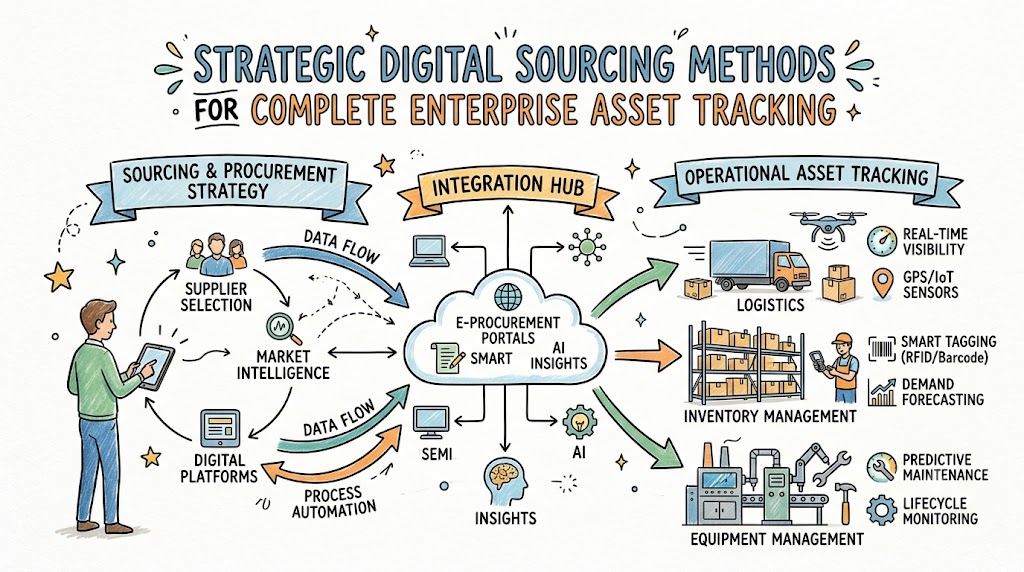
Modern corporate purchasing operations demand immediate access to transparent transaction records across every vendor touchpoint. For this reason, procurement leaders must adopt cloud-enabled purchasing networks to ensure complete financial and operational oversight. Digitizing your order requisitions and vendor contracts allows your enterprise to track material movements seamlessly from source to final delivery. Consequently, forward-thinking organizations consult with experts like SCMGALAXY to modernize their legacy purchasing structures into transparent workflows.
When you analyze traditional purchasing methods, paper invoices and manual email threads obscure critical inventory statuses across the supply network. This lack of clear record-keeping regularly causes stockouts, unexpected price spikes, and severe delays on factory floors. Transitioning to a centralized electronic system removes these communication barriers and unifies your enterprise spending data into a single source of truth. Because digital tools automatically log every purchase approval, management maintains complete control over supplier compliance and delivery timelines.
Understanding the systematic execution of digital purchasing allows companies to preemptively address supply chain disruptions. When an enterprise connects its suppliers through an interactive digital portal, key stakeholders gain early warning indicators regarding material shortages. This proactive visibility enables warehouse teams to adjust production schedules before minor bottlenecks escalate into costly operational halts. Ultimately, your corporate stability depends directly on how effectively you integrate electronic procurement tools into your daily workflow.
Defining the Scope of Digital Sourcing Portals
To build a transparent corporate framework, you must understand how digital purchasing software connects buyers directly with global suppliers. Electronic procurement tools digitize every step of the acquisition process, including requisition creation, purchase order generation, and invoice reconciliation. While manual purchasing relies on slow physical handoffs, electronic workflows transmit order parameters instantaneously to verified vendor networks. For this reason, supply chain managers view digital procurement platforms as the primary engine for operational clarity.
As global supply networks become increasingly intricate, maintaining oversight across multiple vendor tiers grows challenging for procurement teams. This operational complexity requires businesses to upgrade from basic internal spreadsheets to unified electronic supplier management portals. If your enterprise cannot view sub-tier supplier inventory levels, you remain vulnerable to sudden material shortages. Therefore, establishing automated data channels between your purchasing software and supplier databases has become a standard industry practice.
Managing an electronic purchasing network requires a structured strategy to balance process compliance with daily operational speed. For instance, rigid approval chains can delay critical purchase orders when quick inventory replenishments are necessary. When a key supplier experiences unexpected factory downtime, your digital system must automatically flag alternative approved vendors. Consequently, modern procurement architecture relies on intelligent workflows to keep material moving smoothly across all manufacturing stages.
Why Purchasing Visibility Governs Supply Network Performance
Your advanced inventory planning algorithms offer limited value if your incoming raw material data remains outdated or inaccurate. For operational planners, knowing the precise shipment status of core components is essential for maintaining lean manufacturing schedules. Therefore, using disjointed purchasing channels damages your production reliability and leads to expensive emergency shipping fees. If a critical component arrives late without prior notification, your entire assembly line faces expensive operational downtime.
Furthermore, digital purchasing visibility directly strengthens the financial health of your enterprise balance sheet. Studies show that real-time spend tracking prevents duplicate orders and drastically reduces unauthorized purchases across business units. Because of these automated controls, digital procurement tools deliver immediate return on investment through optimized cash flow management. If your team catches billing discrepancies before making payment, your overall operating margin improves instantly.
Ultimately, organizations that embrace transparent purchasing systems build far more resilient business models than their traditional peers. When your business maintains complete visibility over vendor performance, you can negotiate better contract terms based on accurate historical data. Conversely, ignoring the transition toward electronic purchasing will leave your firm struggling against agile competitors who adapt instantly to market changes. Investing in digital procurement tools is no longer optional; it represents the operational foundation of modern enterprise success.
Key Operational Concepts You Must Know
Automated Purchase Requisitions and Spend Analytics
To maintain tight control over corporate capital, you must implement automated purchasing requisitions backed by real-time analytics software. Digital workflows automatically route purchase requests to designated department heads based on pre-set budget thresholds. As a result, finance teams track incoming liabilities before purchase orders are officially issued to external vendors. This continuous monitoring prevents budget overruns and ensures total alignment with corporate spending policies.
Supplier Relationship Management and Performance Metrics
To maximize value from vendor contracts, companies need central dashboards that track key supplier performance metrics continuously. Electronic procurement platforms record delivery timeliness, order accuracy, and product quality scores automatically after every transaction. Consequently, vendor management teams can identify underperforming suppliers before chronic delays disrupt customer commitments. Utilizing objective supplier rating systems drives healthier vendor partnerships and ensures high delivery standards across your network.
E-Sourcing and Digital Contract Management
To secure competitive pricing for essential goods, organizations utilize electronic auction platforms and digital contract repositories. E-sourcing tools allow buyers to run dynamic multi-vendor bidding events to find market-rate pricing quickly. In addition, centralized digital repositories store active contracts, alerting managers ahead of renewal deadlines and price adjustment clauses. This systematic approach ensures your business never pays out-of-contract rates due to forgotten agreement terms.
Automated Invoice Reconciliation and Three-Way Matching
To eliminate processing errors in accounts payable, procurement software automatically performs three-way matching on incoming transactions. The platform verifies details across the original purchase order, the receiving dock report, and the vendor invoice simultaneously. If the system detects a mismatch in quantity or pricing, it flags the issue for review before payment releases. Implementing automated matching protects your cash flow and eliminates manual verification steps for accounting staff.
Platform Implementation vs. Culture — What’s the Real Difference?
| Operational Element | Platform Implementation Focus | Cultural Integration Focus |
|---|---|---|
| Primary Goal | Deploying procurement software and setting up cloud databases | Aligning employee habits and supplier behavior with digital tools |
| Execution Method | Configuring approval hierarchies, vendor portals, and system APIs | Training internal buyers to embrace compliance and structured data |
| Measurement Metrics | Software adoption rates, system uptime, and transaction speed | Reduction in rogue spending and improved vendor communication |
| Long-Term Impact | Establishes the digital architecture needed for process automation | Fosters an organizational commitment to transparency and efficiency |
When you deploy a new electronic procurement suite, you are simply laying the technical pipeline for organizational purchasing. Many corporate executives make the mistake of assuming that buying software will automatically fix their supply chain communication breakdowns. If your department managers continue bypassing the system through offline purchasing, your spend data remains completely incomplete. True operational success requires combining modern software tools with a company culture that mandates system usage.
Building a culture around purchasing transparency means teaching your staff to value accurate data entry as a core responsibility. For example, when a warehouse team member logs damaged goods immediately into the procurement portal, suppliers can dispatch replacements right away. If your internal culture excuses incomplete records, management will continue making decisions based on faulty operational assumptions. Clear communication standards empower your workforce to use procurement tools to make faster, smarter buying choices daily.
Ultimately, even the most advanced procurement software will fail to deliver results if internal stakeholders resist using the platform. Your team must recognize that standardized digital workflows protect corporate profitability and save time across all operational phases. When your entire organization adopts unified purchasing platforms, visibility into inventory and contract performance improves naturally. Balance your software investments with continuous employee training to achieve maximum operational performance from your procurement infrastructure.
Real-World Use Cases of Modern Operations
Streamlining Direct Material Sourcing for Manufacturing
A global automotive components manufacturer experienced production stalls due to delayed raw material deliveries from regional suppliers. To solve this bottleneck, management integrated an electronic procurement portal that connected vendor production schedules directly to their assembly lines. Consequently, when a raw material supplier faced an equipment breakdown, the system notified the manufacturer instantly to adjust shift planning. This automated visibility reduced factory downtime significantly and optimized safety stock levels across all regional facilities.
Centralizing Indirect Spend across Multi-Site Organizations
A healthcare enterprise with dozens of regional clinics struggled with fragmented purchasing habits and unmonitored vendor expenses. To regain financial control, the company deployed a cloud procurement tool that required all office supplies and medical equipment to go through approved catalogs. The new platform aggregated demand across all clinic sites, allowing the enterprise to negotiate bulk pricing discounts with primary vendors. This strategic centralization saved millions in annual supply expenses while providing complete visibility over regional purchasing.
Automating Supplier Compliance and Quality Audits
An international food distributor needed to verify that all raw ingredient suppliers met strict environmental and safety regulations continuously. They implemented an electronic sourcing platform that required vendors to upload current safety certificates and audit logs before submitting bids. If a supplier certificate expired, the software automatically restricted purchase orders to that vendor until updated documentation was approved. This automated check protected the distributor from compliance penalties and guaranteed high safety standards across their supply chain.
Common Mistakes in Operations Engineering
Onboarding Suppliers Without Standardized Data Formats
Many procurement teams make the mistake of launching digital portals without establishing clear data entry standards for external suppliers. When vendors upload product catalogs with inconsistent unit metrics or mismatched item numbers, system databases become cluttered quickly. This inconsistency causes ordering errors, delayed shipments, and extra manual correction work for your purchasing team. Establishing strict data formatting rules during supplier onboarding is essential for maintaining clean, searchable product catalogs.
Neglecting to Integrate Procurement with Enterprise Systems
Operating your electronic procurement portal as an isolated application separate from your main accounting software creates massive data silos. When your purchasing team manages orders in one application while accounting operates in another, manual data entry becomes necessary. This disconnect leads to delayed financial reporting, inaccurate inventory totals, and missed vendor payment schedules across the business. Ensure your procurement tools communicate seamlessly through automated software integrations to preserve data integrity across all departments.
Over-Complicating Approval Workflows for Low-Value Items
Designing overly complex approval chains for inexpensive office goods or routine maintenance items creates unnecessary administrative bottlenecks. Forcing simple purchase requisitions through multiple levels of management review wastes executive time and slows down daily operational tasks. Instead, configure your procurement software with automated pre-approval rules for low-cost, recurring catalog orders below specific financial limits. Streamlining routine approvals allows your purchasing team to focus their attention on strategic, high-value supplier negotiations.
How to Become an Operations Expert — Career Roadmap
- Procurement Analysts
- Master data extraction techniques to analyze corporate spending habits and discover volume-discount opportunities across business units.
- Learn how to configure catalog management systems to keep item descriptions, pricing tiers, and vendor details updated.
- Focus on tracking contract compliance metrics to identify unauthorized off-contract purchases before they impact operational budgets.
- Sourcing Managers
- Develop expert negotiation skills to structure comprehensive vendor contracts that include clear service level agreements and delivery terms.
- Study risk management frameworks to evaluate geopolitical and economic factors that could impact primary material suppliers.
- Implement formal vendor evaluation programs that reward high-performing suppliers with long-term partnership opportunities and strategic contracts.
- Chief Procurement Officers
- Architect holistic digital procurement strategies that align enterprise purchasing goals with broader corporate sustainability targets.
- Evaluate emerging procurement technologies like automated invoice processing and predictive market analysis tools for enterprise adoption.
- Establish cross-functional leadership channels between purchasing, logistics, and finance teams to maximize total supply chain resilience.
FAQ Section
- How do electronic procurement tools improve supply chain visibility?Electronic procurement tools centralize purchasing records into real-time dashboards, giving managers instant line-of-sight into order statuses, inventory levels, and vendor delivery timelines.
- What is the difference between direct and indirect procurement in digital systems?Direct procurement covers raw materials essential for manufacturing final products, while indirect procurement handles operational supplies like office goods and maintenance services.
- How does automated three-way matching protect corporate cash flow?Automated three-way matching compares the purchase order, receiving report, and vendor invoice automatically to catch pricing errors or missing items before payment is issued.
- Why is supplier data standardization crucial during portal implementation?Standardizing supplier data prevents ordering mistakes, eliminates duplicate catalog entries, and ensures that inventory records remain consistent across your enterprise software systems.
- Can digital procurement platforms help mitigate supply chain risks?Yes, digital platforms monitor vendor performance metrics and compliance documentation continuously, allowing companies to identify potential supplier failures early and pivot to backup sources.
- How do automated approval workflows speed up daily purchasing operations?Automated workflows route requisitions instantly to the correct managers based on preset rules, eliminating paperwork delays and accelerating order placement for routine supplies.
Final Summary
Implementing modern electronic procurement tools is a critical requirement for establishing a transparent and resilient supply chain network. By replacing manual paperwork with automated digital workflows, your organization secures complete oversight over enterprise spending and vendor execution. Conversely, relying on legacy purchasing habits leads to hidden costs, supply shortages, and unmonitored vendor performance across your operation. Enterprises must view digital procurement platforms as a foundational pillar of their broader operational infrastructure.
As digital technology continues to transform global business practices, the competitive gap between agile, connected procurement teams and legacy operations will widen. By combining automated spend analytics, strategic supplier relationships, and a collaborative corporate culture, you position your organization for lasting success. Evaluate your current purchasing workflows today and remove the manual bottlenecks that hinder your operational visibility. Ultimately, mastering digital procurement tools is how you turn everyday purchasing into a powerful strategic advantage.

- Accelerating Modern Business Growth Through Intelligent Software Engineering And Scalable Cloud Architectures - September 5, 2026
- Building Resilient Enterprise Cloud Platforms Through Automation And Modern Reliability Engineering - September 5, 2026
- Building Resilient Software Platforms Through Modern Engineering And Enterprise Automation - September 4, 2026