Introduction
In 2026, AI Sports Performance Analysis tools have revolutionized how athletes, coaches, and sports organizations improve performance, prevent injuries, and make tactical decisions. These tools use artificial intelligence, computer vision, biomechanics modeling, and predictive analytics to deliver highly accurate insights that were impossible to achieve manually. Whether it’s analyzing player movements, tracking fitness data, studying game footage, or predicting injury risks, AI has become a core part of modern sports technology.
As sports become more competitive across levels—from amateur to elite—teams rely heavily on AI to gain a tactical edge. When choosing an AI sports performance analysis tool, users should consider features like motion tracking accuracy, real-time game analytics, injury prediction, wearable compatibility, sport-specific features, ease of use, and pricing.
Below is a comprehensive list of the Top 10 AI Sports Performance Analysis Tools in 2026, along with features, pros, cons, and a comparison table to help you make the best decision.
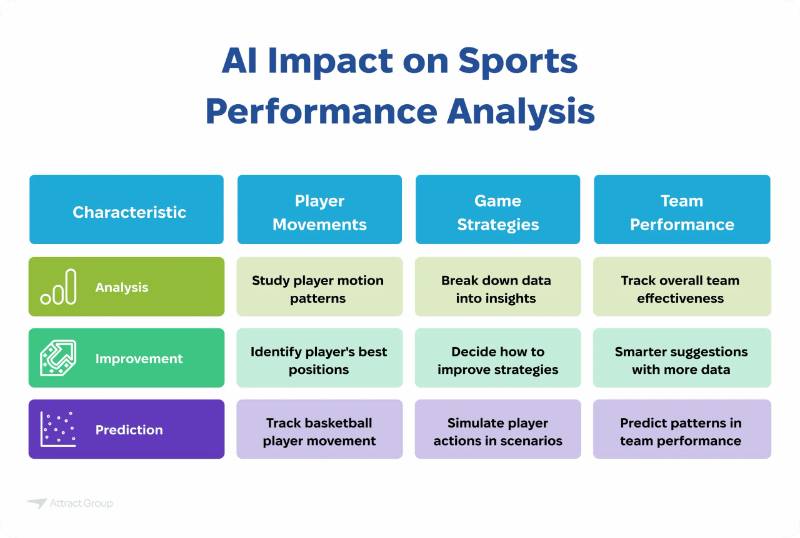
Top 10 AI Sports Performance Analysis Tools in 2026
1. Hudl Sportscode
Short Description: A leading AI-powered performance analysis tool used by professional teams worldwide to analyze game footage, identify patterns, and improve strategy.
Key Features
- Advanced video breakdown
- Automatic tagging of gameplay events
- AI-driven tactical insights
- Real-time analysis
- Cloud-based sharing
- Team collaboration tools
Pros
- Extremely accurate and reliable
- Used by top professional teams globally
- Excellent integration with Hudl ecosystem
Cons
- Expensive for small academies
- Requires training for new users
2. Catapult Sports
Short Description: A wearable-based AI analytics system that tracks athlete movement, load, and performance to prevent injuries and optimize training.
Key Features
- Motion & GPS tracking
- Injury prediction algorithms
- Athlete load management
- Real-time performance analytics
- Wearable devices + dashboard
- Multiple sport compatibility
Pros
- Best-in-class for injury prevention
- Highly accurate data
- Great for team monitoring
Cons
- Requires wearable hardware
- Costly for individual athletes
3. STATS Perform
Short Description: AI-driven sports data and analytics platform delivering real-time insights for teams, leagues, broadcasters, and betting companies.
Key Features
- Predictive performance modeling
- Optical tracking
- Game analysis dashboard
- Player performance metrics
- Tactical insights
Pros
- Industry-leading AI engine
- Ideal for professional leagues
- Richest data ecosystem
Cons
- Pricing is premium
- Complex setup
4. Second Spectrum (NBA & EPL Partner)
Short Description: Official AI tracking partner for top leagues, offering deep player tracking, shot analysis, and tactic visualization.
Key Features
- 3D player tracking
- Tactical analysis visuals
- Shot probability & heatmaps
- Automated event tagging
- Real-time game insights
Pros
- Elite-level tracking accuracy
- Stunning visualization tools
- Trusted by NBA and EPL
Cons
- Only for elite sports organizations
- High cost
5. Zone7
Short Description: AI-based injury prevention and performance optimization platform analyzing athlete workload and predicting risks.
Key Features
- Injury risk modeling
- Workload optimization
- AI-based fitness recommendations
- Wearable and camera data integration
- Weekly performance dashboards
Pros
- Excellent for injury reduction
- Easy-to-understand reports
Cons
- Requires detailed historical data
- No video analysis
6. Pixellot
Short Description: An AI camera system providing automated sports video capture, analysis, and streaming for amateur and semi-professional teams.
Key Features
- AI auto-tracking cameras
- Automated video highlights
- Detailed game insights
- Real-time tagging
- Cloud video storage
Pros
- No need for camera operators
- Affordable for academies
Cons
- Dependent on camera placement
- Less advanced than pro-level tools
7. Coach’s Eye AI
Short Description: A mobile-first AI video analysis tool for trainers and coaches, ideal for individual athletes and small teams.
Key Features
- Slow-motion & angle analysis
- AI motion tracking
- Side-by-side comparisons
- Cloud storage
- Mobile editing tools
Pros
- Very beginner-friendly
- Affordable
Cons
- Limited advanced analytics
- App-based, not ideal for large teams
8. Playermaker
Short Description: A wearable foot-sensor-based AI system for football players, analyzing movement, ball control, and fitness.
Key Features
- Biomechanics tracking
- Ball interaction data
- Sprint and agility metrics
- Cloud analytics
- Real-time coaching insights
Pros
- Ideal for football-specific training
- Very accurate motion tracking
Cons
- Sport-specific
- Requires wearable hardware
9. Krossover AI
Short Description: AI-powered game film breakdown for basketball, football, lacrosse, and other team sports.
Key Features
- Automated film tagging
- Player reports
- Game pattern recognition
- Highlight creation
- Team dashboards
Pros
- Saves hours of manual film editing
- Great for college & school teams
Cons
- Slower processing for long matches
- Limited predictive analytics
10. Dartfish AI
Short Description: A complete biomechanical AI analysis tool used by Olympic coaches to study movement, speed, and technique.
Key Features
- 3D motion analysis
- AI pose estimation
- Speed & angle tracking
- Technical performance metrics
- Multi-sport compatibility
Pros
- Extremely accurate biomechanics insights
- Perfect for individual athletes
Cons
- Requires coaching expertise
- Expensive for casual athletes
Comparison Table: Top 10 AI Sports Performance Analysis Tools
| Tool Name | Best For | Platforms Supported | Standout Feature | Pricing | Rating |
|---|---|---|---|---|---|
| Hudl Sportscode | Pro teams | Desktop, Cloud | Advanced video breakdown | Custom | 4.8/5 |
| Catapult Sports | Teams & clubs | Wearable + Cloud | Athlete load tracking | Custom | 4.7/5 |
| STATS Perform | Leagues & analytics firms | Cloud | Predictive modeling | Custom | 4.8/5 |
| Second Spectrum | Elite leagues | AI Cameras, Cloud | 3D tracking | Custom | 4.9/5 |
| Zone7 | Injury prevention | Cloud | Injury prediction | Custom | 4.7/5 |
| Pixellot | Schools & academies | Camera + Cloud | Auto game filming | Starts $50/mo | 4.6/5 |
| Coach’s Eye AI | Small teams | Mobile | Motion analysis | Starts $15/mo | 4.4/5 |
| Playermaker | Football players | Wearables + App | Foot-mounted sensors | Starts $199 | 4.6/5 |
| Krossover | Schools/Colleges | Cloud | Automated film tagging | Starts $39/mo | 4.5/5 |
| Dartfish AI | Individual athletes | Desktop/Cloud | Motion biomechanics | Custom | 4.7/5 |
Which AI Sports Performance Analysis Tool Is Right for You?
Based on Athlete Level
- Beginners: Coach’s Eye AI, Pixellot
- Intermediate/Academy Level: Playermaker, Krossover
- Advanced/Professional: Hudl Sportscode, Catapult, Dartfish
- Elite Organizations: Second Spectrum, STATS Perform
Based on Goal
- Injury Prevention: Zone7, Catapult
- Tactical Analysis: Hudl, Second Spectrum
- Biomechanics: Dartfish, Playermaker
- Automated Filming: Pixellot
Based on Budget
- Low Budget: Coach’s Eye, One-time wearables
- Mid Budget: Pixellot, Krossover
- High Budget: Hudl, Catapult, Second Spectrum
Conclusion
In 2026, AI Sports Performance Analysis tools are indispensable for athletes and teams seeking a competitive edge. From biomechanics to tactical analytics and injury prevention, AI enhances every aspect of performance. As technology continues to evolve, these tools will become even more accurate, accessible, and impactful. Try demos, evaluate compatibility with your sport, and choose the tool that best supports your training or team goals.
FAQs
1. What are AI Sports Performance Analysis tools?
They are AI-powered platforms that analyze athlete performance using video, wearables, and predictive analytics.
2. Which tool is best for injury prevention?
Zone7 and Catapult are leading platforms for predicting and preventing injuries.
3. What tool is best for team tactical analysis?
Hudl Sportscode and Second Spectrum are industry leaders.
4. Are these tools only for professionals?
No, tools like Coach’s Eye and Pixellot are great for schools and academies.
5. Do I need wearables for AI sports analytics?
Some tools require wearables (Catapult, Playermaker), while others use cameras or video only.

- Top 10 AI Model Serving Frameworks Tools in 2026: Features, Pros, Cons & Comparison - August 30, 2026
- Top 10 Construction Management Software Tools in 2026: Features, Pros, Cons & Comparison - August 11, 2026
- Top 10 AI Academic Writing Tools in 2026: Features, Pros, Cons & Comparison - August 11, 2026
This article provides a detailed and insightful overview of AI-powered sports performance analysis tools for 2025. The breakdown of each tool’s features, pros, and cons is extremely helpful for anyone in sports management or coaching, looking to leverage AI for improving performance and preventing injuries. I appreciate the focus on key aspects like real-time insights, integration with wearables, and scalability—these are all crucial factors when choosing the right tool for a team or athlete. For future updates, it would be valuable to include some real-world case studies or examples of how these tools have been successfully implemented in professional sports. Overall, this is an excellent resource for anyone involved in sports analytics or performance enhancement.