Introduction
AI Ethical Decision Support Systems (AI-EDSS) are advanced AI-driven platforms designed to help organizations make fair, transparent, and responsible decisions. In 2026, these tools play a key role in ensuring AI governance, risk mitigation, compliance with global regulations (like the EU AI Act and GDPR), and reducing algorithmic biases. As industries move toward automation, ethical AI tools support leaders, developers, policymakers, and businesses in evaluating risks, interpreting data responsibly, and preventing harmful decisions.
Companies today look for AI Ethical Decision Support Systems that ensure transparency, explainability, fairness, data privacy, and human oversight. The ideal tool should offer bias detection, compliance reporting, ethical framework alignment, audit trails, predictive risk scoring, and support for cross-department collaboration. This blog explores the Top 10 AI Ethical Decision Support Systems Tools in 2026, featuring their strengths, limitations, and comparison to help you pick the right solution.
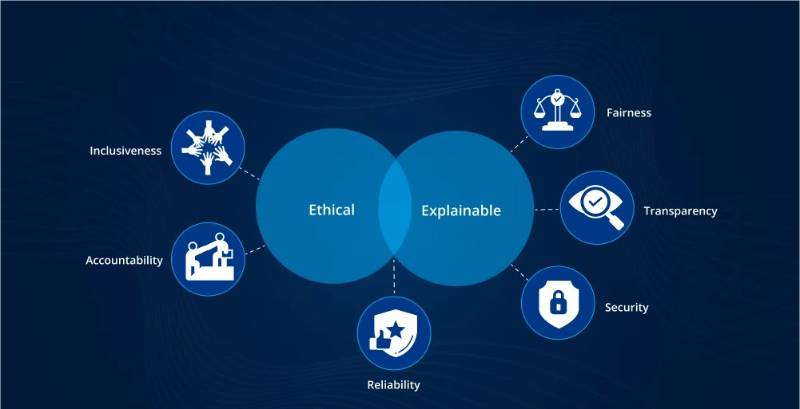
Top 10 AI Ethical Decision Support Systems Tools in 2026
1. IBM Watson OpenScale
Short Description: IBM Watson OpenScale is an enterprise-grade AI monitoring and ethical governance platform enabling real-time fairness detection, bias correction, and explainability.
Key Features
- AI bias detection & mitigation
- Explainable AI (XAI) insights
- Real-time model monitoring
- Compliance dashboards
- Automated alerts & audit trails
- Cloud and on-prem support
Pros
- Powerful analytics for bias detection
- Highly scalable for large enterprises
- Seamless integration with IBM ecosystem
Cons
- Expensive for small businesses
- Requires technical expertise
- Complex initial setup
2. Google Responsible AI Toolkit
Short Description: A collection of Google’s ethical AI frameworks, tools, and APIs that support fairness testing, model interpretability, and responsible AI development.
Key Features
- Fairness indicators library
- Explainable AI (XAI) tools
- Safer model training templates
- Audit and compliance support
- Bias and toxicity detection models
Pros
- Free and open-source components
- Strong documentation
- Ideal for developers and AI teams
Cons
- Not suited for non-technical users
- Limited enterprise dashboards
3. Microsoft Responsible AI Dashboard
Short Description: A unified dashboard for assessing model fairness, privacy compliance, interpretability, and model health.
Key Features
- Fairness assessment toolkit
- Model interpretability widgets
- Data privacy controls
- Model performance evaluation
- Scenario-based testing
Pros
- Great for Azure ecosystem users
- Simple UI with visual analytics
- Strong governance guidelines
Cons
- Requires Azure integration
- Limited for non-Microsoft AI workflows
4. HuggingFace Ethics Board Tools
Short Description: A set of tools focused on ethical evaluations of AI models, bias analysis, and transparency documentation.
Key Features
- Model bias detection
- Dataset transparency reports
- AI explainability frameworks
- Community-driven ethical benchmarks
Pros
- Open-source and community supported
- Wide model compatibility
Cons
- Limited enterprise features
- Requires AI knowledge
5. EthicsGrade ESG-AI Governance Platform
Short Description: An enterprise risk, compliance, and ethical governance platform evaluating AI systems based on ESG and regulatory metrics.
Key Features
- Ethical AI scoring
- ESG compliance analysis
- Data privacy and risk dashboards
- Third-party vendor audits
- Policy governance toolkit
Pros
- Ideal for regulated industries
- Strong auditing capability
Cons
- Subscription-based pricing
- May be overwhelming for small teams
6. Truera AI Quality Platform
Short Description: Truera provides AI quality assessment, bias detection, and model explainability for enterprises.
Key Features
- Model quality diagnostics
- XAI insights
- Bias and drift detection
- Governance dashboard
- Automated model scoring
Pros
- Excellent explainability features
- Ideal for financial and insurance sectors
Cons
- Premium pricing
- Limited for small-scale AI projects
7. Fiddler AI Observability Platform
Short Description: Fiddler enables monitoring AI fairness, drift, performance, and explainability through centralized observability tools.
Key Features
- AI fairness evaluation
- Drift and bias alerts
- Explainable AI dashboards
- Collaborative reporting tools
- Model monitoring in real-time
Pros
- Strong collaboration features
- Developer-friendly API support
Cons
- Learning curve for beginners
- Custom pricing required
8. Monitaur Governance & Compliance AI Platform
Short Description: A full-stack AI compliance and monitoring tool designed to maintain ethical standards and regulatory alignment.
Key Features
- Model governance workflows
- Compliance audit logs
- Ethical AI scoring
- Risk lifecycle tracking
- Human oversight tools
Pros
- Very strong compliance integration
- Ideal for enterprises with strict regulations
Cons
- Not developer-focused
- Limited open-source options
9. Arthur AI
Short Description: Arthur AI offers monitoring, fairness testing, and explainability tools for AI models across industries.
Key Features
- Fairness and bias tests
- Real-time drift monitoring
- Explainability APIs
- Compliance and audit dashboards
- Modular integration with ML pipelines
Pros
- Excellent monitoring capabilities
- Works with any cloud platform
Cons
- Complex integrations for beginners
- Pricing not beginner-friendly
10. Fairlearn (Open Source)
Short Description: A popular open-source fairness toolkit for evaluating and mitigating algorithmic bias during model development.
Key Features
- Fairness metrics and algorithms
- Model comparison dashboards
- Custom mitigation strategies
- Lightweight and developer-friendly
Pros
- Free and open-source
- Works with Python ML libraries
Cons
- Lacks enterprise features
- Not suitable for business users
Comparison Table of Top 10 AI Ethical Decision Support Systems Tools
| Tool Name | Best For | Platforms Supported | Standout Feature | Pricing | Ratings |
|---|---|---|---|---|---|
| IBM Watson OpenScale | Large enterprises | Cloud, On-prem | Real-time fairness correction | Custom | 4.7/5 |
| Google Responsible AI Toolkit | Developers | APIs, Cloud | Open-source fairness tools | Free | 4.5/5 |
| Microsoft Responsible AI Dashboard | Azure users | Azure Cloud | Model interpretability | Free/Included | 4.6/5 |
| HuggingFace Ethics Tools | AI researchers | Web, Open-source | Community-driven ethics | Free | 4.4/5 |
| EthicsGrade | Regulated industries | Cloud | ESG-AI scoring | Custom | 4.6/5 |
| Truera | Enterprises | Cloud | AI quality diagnostics | Custom | 4.5/5 |
| Fiddler AI | ML teams | Cloud | AI observability | Custom | 4.6/5 |
| Monitaur | Compliance-focused enterprises | Cloud | Regulatory governance | Custom | 4.7/5 |
| Arthur AI | Enterprises | Cloud | Advanced AI monitoring | Custom | 4.6/5 |
| Fairlearn | Developers | Open-source | Fairness algorithms | Free | 4.3/5 |
Which AI Ethical Decision Support Systems Tool Is Right for You?
Choose Based on Organization Size
- Small Teams: Fairlearn, Google Responsible AI Toolkit
- Medium Teams: Fiddler AI, Arthur AI
- Large Enterprises: IBM OpenScale, Microsoft Responsible AI Dashboard
Choose Based on Use Case
- Bias Detection: Fairlearn, IBM OpenScale, Truera
- Regulatory Compliance: EthicsGrade, Monitaur
- Explainability: Truera, Microsoft Responsible AI Dashboard, Fiddler
- Research & Development: HuggingFace ethics tools
Choose Based on Budget
- Free: Fairlearn, Google RA Toolkit
- Mid-range: Arthur AI, Fiddler AI
- Enterprise-grade: IBM, EthicsGrade, Monitaur
Conclusion
AI Ethical Decision Support Systems are essential in 2026 as the world embraces automation while needing fairness, transparency, and accountability in AI-driven decisions. These tools ensure that AI systems operate responsibly, avoid bias, and comply with global regulations. Whether you’re a researcher, enterprise leader, or compliance officer, selecting the right AI ethical tool can support safer and more reliable AI operations. Explore demos or free versions to find the best match for your organization.
FAQs
1. What are AI Ethical Decision Support Systems?
These systems help organizations evaluate, monitor, and govern AI models to ensure fairness, transparency, and responsible decision-making.
2. Why are AI ethics tools important in 2026?
Due to increasing regulations and risks of AI bias, organizations rely on ethical AI tools to reduce harm and improve trust.
3. Which tool is best for detecting bias?
IBM OpenScale, Fairlearn, and Truera are top options for bias detection.
4. Are there free ethical AI tools available?
Yes, Fairlearn and Google Responsible AI Toolkit are free and open-source.
5. What industries benefit most?
Finance, healthcare, government, HR, insurance, and enterprises with strict compliance needs.

- Top 10 AI Model Serving Frameworks Tools in 2026: Features, Pros, Cons & Comparison - August 30, 2026
- Top 10 Construction Management Software Tools in 2026: Features, Pros, Cons & Comparison - August 11, 2026
- Top 10 AI Academic Writing Tools in 2026: Features, Pros, Cons & Comparison - August 11, 2026